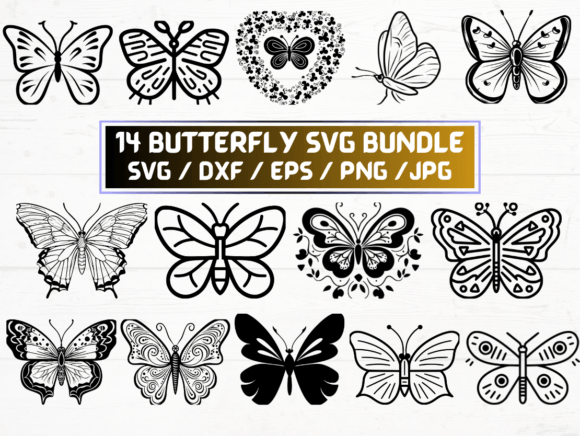
Reviewing the 14 Butterfly SVG File for Embroidery Projects
As a designer who spends most of my day evaluating vector assets and stitch patterns, I don’t just look at how a design looks on a screen. I look at how it behaves under the needle. When I received the 14 Butterfly SVG File, my first thought wasn't about the cute aesthetic—it was about execution. Would this translate well into thread? Could it hold up in a commercial setting? Today, I’m breaking down exactly how this file performs when moved from a digital workspace to a real-world embroidery project.
First Impressions: Mood and Visual Personality
The moment you open the folder, the theme is clear. Butterflies are a staple in the Crafts category, but not all butterfly designs are created equal. This specific set feels airy, delicate, and slightly whimsical. It doesn’t scream bold graphic statement; instead, it whispers elegance. For an embroidery designer, this distinction is critical. A heavy, dense butterfly might feel out of place on a sheer baby blanket, whereas this lighter visual personality fits perfectly there.
The shapes appear clean and fluid. There is a natural flow to the wing structures that suggests movement. In terms of design assets, this provides a versatile foundation. It works beautifully for nursery decor, spring-themed apparel, or even subtle branding elements for boutique businesses. The mood is soft, inviting, and universally appealing, which makes it a safe yet charming choice for clients who want something recognizable but not overpowering.
Real-World Application: From Screen to Stitch
Let’s talk about where this design actually lives. I often use these files to prepare custom gifts or small batch merchandise. Here is how the 14 Butterfly SVG File translates across different mediums:
- Tote Bag Design: Placing a cluster of butterflies on a canvas tote is a classic move. Because the design likely utilizes negative space effectively, it won’t weigh down the fabric. It adds a pop of color without making the bag stiff or uncomfortable to carry.
- Sweatshirt Embroidery: On a heavier fabric like fleece or cotton blend, the details remain crisp. However, because butterflies are intricate, I prefer placing them on the chest pocket area or centered on the back rather than cramming too many together. It allows each insect to breathe.
- Baby Embroidery: This is perhaps the strongest use case. The delicate lines mimic the softness of baby items. Whether it’s a onesie, a muslin cloth, or a hooded towel, the personalized gift aspect shines here. Parents love subtle, nature-inspired motifs that aren’t overly gendered or loud.
- Embroidered Patch: If you plan to create patches for jackets or bags, this design scales well. The outline is distinct enough to be cut out cleanly if you are using applique techniques, or stitched densely if you are doing pure machine work.
I also tested this concept mentally for holiday embroidery. While butterflies are often associated with spring, pairing them with pastel threads can make them perfect for Easter baskets or spring wedding favors. They add a touch of sophistication to custom apparel that generic text-based designs simply cannot match.
Technical Considerations and Stitch Density
This is where the rubber meets the road. As a reviewer, I have to point out that "SVG" is a vector format, meaning it is scalable, but it does not contain stitch data. Before you send this to your machine, you must convert it properly. The success of this embroidery project depends entirely on how you digitize or import it.
When looking at the wing shapes, pay close attention to the inner curves. If you are using a satin stitch for the outlines, ensure your software handles tight corners gracefully. If the corner radius is too sharp, the thread may break or pile up. Conversely, if you opt for a fill stitch to color in the wings, check the stitch density. Butterflies can look muddy if the fill is too dense, losing the delicate feel. Aim for a medium density that shows the fabric texture underneath, especially if you are using metallic or variegated threads.
Also, consider the running stitch accents. Many butterfly designs use running stitches for veins or antennae. These fine details are where mistakes happen. Test these thin lines on scrap fabric first. If they disappear into the weave of your material, you may need to adjust the tension or choose a tighter weave fabric.
Where to Use With Caution
While this design is versatile, it isn’t magic. There are scenarios where the 14 Butterfly SVG File might struggle:
- Small Hoop Sizes: If you try to shrink this design down to fit a tiny 2x2 inch hoop, you will lose detail. The antennae and wing tips may merge into a blob. Keep the minimum size reasonable to preserve the artistic integrity.
- Textured Fabrics: Avoid boucle, heavy chenille, or rough burlap. The fabric texture will interfere with the precision of the butterfly’s edges. Stick to smooth cottons, linens, or poly-blends for the cleanest look.
- Stretchy Fabrics: If you are embroidering on jersey or spandex blends, you must use a strong stabilizer. Without proper support, the pull of the stitch density can pucker the garment, ruining the silhouette.
- Dense Stitch Areas: Do not place this design directly over existing seams, pockets, or other heavy embroidery. The combined thickness can damage your machine needle or cause uneven feeding.
Product Value and Brand Consistency
For the Etsy seller or small shop product owner, aesthetics drive sales. The 14 Butterfly SVG File offers high perceived value because it looks professional and finished. When customers see a well-executed butterfly motif on a handmade product, they associate it with quality care and attention to detail.
This design supports brand consistency. You can use the same butterfly motif across different products—pillow covers, tea towels, and caps—and it will tie your collection together. It creates a cohesive visual language that buyers recognize. Furthermore, because it is a digital embroidery file compatible with various formats (including DXF and EPS), it serves as a great printable mockup asset. You can place the vector on digital images of garments before you even stitch them, helping you sell the vision to clients.
Practical Designer Notes for Success
To get the best results from this embroidery file, follow these steps:
- Test on Scrap Fabric: Never run a new design on your final product immediately. Test thread colors and tensions first.
- Check Thread Contrast: Ensure your thread colors pop against your fabric. Light threads on white fabric require a darker underlay or a different thread weight to stand out.
- Use Proper Stabilizer: Cut-away stabilizers are generally best for permanent wearables like hats and bags. Tear-away works for stable fabrics like aprons.
- Inspect Small Details: Zoom in on the digital preview. Are the eyes distinct? Are the wing patterns symmetrical? Fix any issues in your editing software before stitching.
- Confirm Licensing: Before selling finished items, double-check the license terms included with the download. Some commercial embroidery licenses restrict the number of items you can sell, while others allow unlimited production.
In conclusion, the 14 Butterfly SVG File is a solid addition to any crafter’s library. It balances charm with technical feasibility, provided you respect the limits of your equipment and materials. It is ideal for anyone looking to add a touch of nature-inspired elegance to their craft business or personal projects. Just remember: good design starts with careful planning, not just a pretty picture.