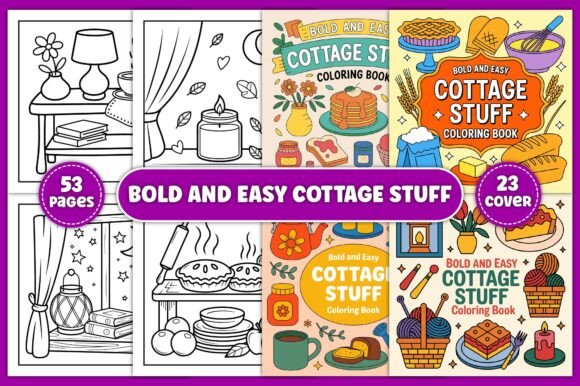
Bold and Easy Cottage Stuff Coloring Review
As a designer who spends half her life staring at stitch density charts and the other half trying to convince clients that "simple" is actually quite difficult to execute well, I approach every new embroidery file with a mix of optimism and skepticism. We have all been burned by designs that look charming in a digital preview but turn into a muddy, unrecognizable mess once they hit the hoop. This is why I decided to put the Bold and Easy Cottage Stuff Coloring design through its paces before recommending it for any commercial or personal project.
The product description promises a step into a charming world of cozy cottages, crafted for those who love simple, stress-free, and whimsical designs. For an embroiderer, "simple" is a dangerous word. It often implies a lack of detail, but in this case, it suggests clarity. The category is listed as Coloring Pages and Graphics, which initially raised an eyebrow. Can a graphic meant for paper translation work effectively as a machine embroidery design? After testing the layout, analyzing the visual weight, and simulating several real-world applications, here is my honest breakdown of how this design performs in actual production.
First Impressions: Mood and Visual Clarity
The first thing you notice about Bold and Easy Cottage Stuff Coloring is its confident use of negative space. In embroidery, especially when working with fill stitch areas, clutter is the enemy. If your design has too many competing elements, the thread cannot breathe, and the fabric shows through. This design avoids that trap. The cottage motif is rendered with clean lines and distinct shapes that read instantly. It does not try to be intricate; it tries to be recognizable.
The whimsical personality of the design shines through without relying on tiny, fragile details that might break during trimming. The mood is undeniably cozy. It evokes feelings of rustic charm, quiet mornings, and handmade warmth. For a brand looking to establish a boutique aesthetic, this visual language is strong. It feels like something you would see on a high-end tea towel or a carefully curated nursery wall, rather than a mass-produced souvenir. This distinction matters because it elevates the perceived value of the final handmade product.
Real-World Application: Where Does This Design Fit?
Let’s talk about where this design actually lives in a maker’s workflow. I have seen countless designers try to force square pegs into round holes, so I want to highlight the projects where Bold and Easy Cottage Stuff Coloring truly excels.
Custom Apparel and Sweatshirts
This design is ideal for sweatshirt embroidery. The bold nature of the graphics holds up well against the heavy texture of fleece or cotton blends. Imagine a cream-colored crewneck with the cottage motif centered on the chest. The contrast between the soft fabric and the structured embroidery creates a tactile experience that customers love. It works equally well on tote bag design projects, particularly canvas bags where the sturdy fabric can support the thread tension without puckering.
Baby Items and Nursery Decor
There is a natural affinity between whimsical cottage themes and baby products. This design translates beautifully to baby embroidery items such as muslin blankets, hooded towels, or onesies. The simplicity ensures that the design remains safe and appropriate, avoiding any overly complex imagery that might feel out of place in a nursery. When used on pillow covers or wall hangings, it adds a touch of gentle storytelling to the room.
Kitchen and Home Goods
I frequently recommend this type of graphic for kitchen textiles. A set of embroidered tea towels featuring this cottage motif can become a best-selling item for an Etsy seller. The theme fits perfectly with farmhouse decor trends. It also works well as an embroidered patch for aprons, adding a personalized touch to chef gear or baking accessories.
Technical Considerations and Potential Pitfalls
While the design is robust, no single graphic is perfect for every situation. As a professional reviewer, I must point out where you need to exercise caution. Understanding these limitations will save you time, thread, and frustration.
- Fabric Texture and Stability: Because the design relies on clear shapes, it requires a stable base. Avoid using this on highly textured fabrics like bouclé or loose-weave linen unless you are using a heavy-duty stabilizer. On stretchy knits, ensure you use cut-away stabilizer to prevent distortion during washing.
- Hoop Size Constraints: While the design is described as "bold," scaling it down too small can compromise its integrity. Be careful with very small hoop sizes. If the details become too compressed, the stitch density may cause the fabric to pucker excessively. Always test the minimum viable size on scrap fabric first.
- Color Contrast: The effectiveness of this digital embroidery file depends heavily on your thread colors. On dark fabric, you will need underlay stitches or a lighter base color to ensure the cottage shapes pop. On light fabric, darker threads will provide the necessary definition. Do not underestimate the importance of color selection in maintaining visual appeal.
- Curved Surfaces: Applying this design to curved surfaces like caps or hats requires careful digitizing adjustments. Flat hooping may not capture the curvature correctly, leading to stretched or distorted elements. If you are producing custom apparel with curved placements, verify that the design file accounts for the curve or plan to re-digitize specific sections.
Design Notes for the Practical Embroiderer
Before you commit to a full production run, there are several steps I strongly advise taking. These habits separate hobbyists from serious craft business owners.
- Test on Scrap Fabric: Never assume a design will behave the same way on different materials. Stitch it out on the exact fabric you plan to use for your final product. Check for puckering, thread breaks, and stability.
- Review Stitch Density: Look closely at the fill stitch areas. Are they too dense? Will the fabric show through? Adjusting the density settings in your software can often improve the finish significantly.
- Check Small Details: Inspect any fine lines or small accents. In embroidery, thin lines can sometimes disappear if the thread is too thick or the tension is off. Ensure these details remain visible in the finished product.
- Use Proper Stabilizer: The choice of stabilizer is just as important as the design itself. For woven fabrics, tear-away may suffice. For knits or stretchy materials, cut-away is non-negotiable for long-term durability.
- Confirm Licensing: If you intend to sell finished items, double-check the licensing terms associated with the Bold and Easy Cottage Stuff Coloring graphics. Some files are intended for personal use only. Ensuring you have the right permissions protects your small shop product listings from legal issues.
Final Verdict: Value and Professionalism
Does Bold and Easy Cottage Stuff Coloring deliver on its promise? Yes. It offers a clean, whimsical aesthetic that is easy to execute and visually appealing. It enhances brand consistency for makers who specialize in cozy, rustic, or home-focused themes. The design’s simplicity allows it to stand out without shouting, which is a valuable trait in a crowded marketplace.
For commercial embroidery projects, this design provides a reliable foundation. It boosts customer trust by delivering a polished, professional look that matches the quality of the underlying craftsmanship. It is a versatile asset for design assets libraries, suitable for everything from holiday embroidery collections to year-round personalized gift offerings.
Ultimately, the success of this design in your hands will depend on your execution. Pay attention to thread quality, stabilize properly, and respect the limits of the medium. When done correctly, Bold and Easy Cottage Stuff Coloring transforms from a simple graphic into a memorable, tangible piece of art that customers will cherish. It is a smart, practical choice for anyone looking to add a touch of cottage charm to their embroidery project repertoire.